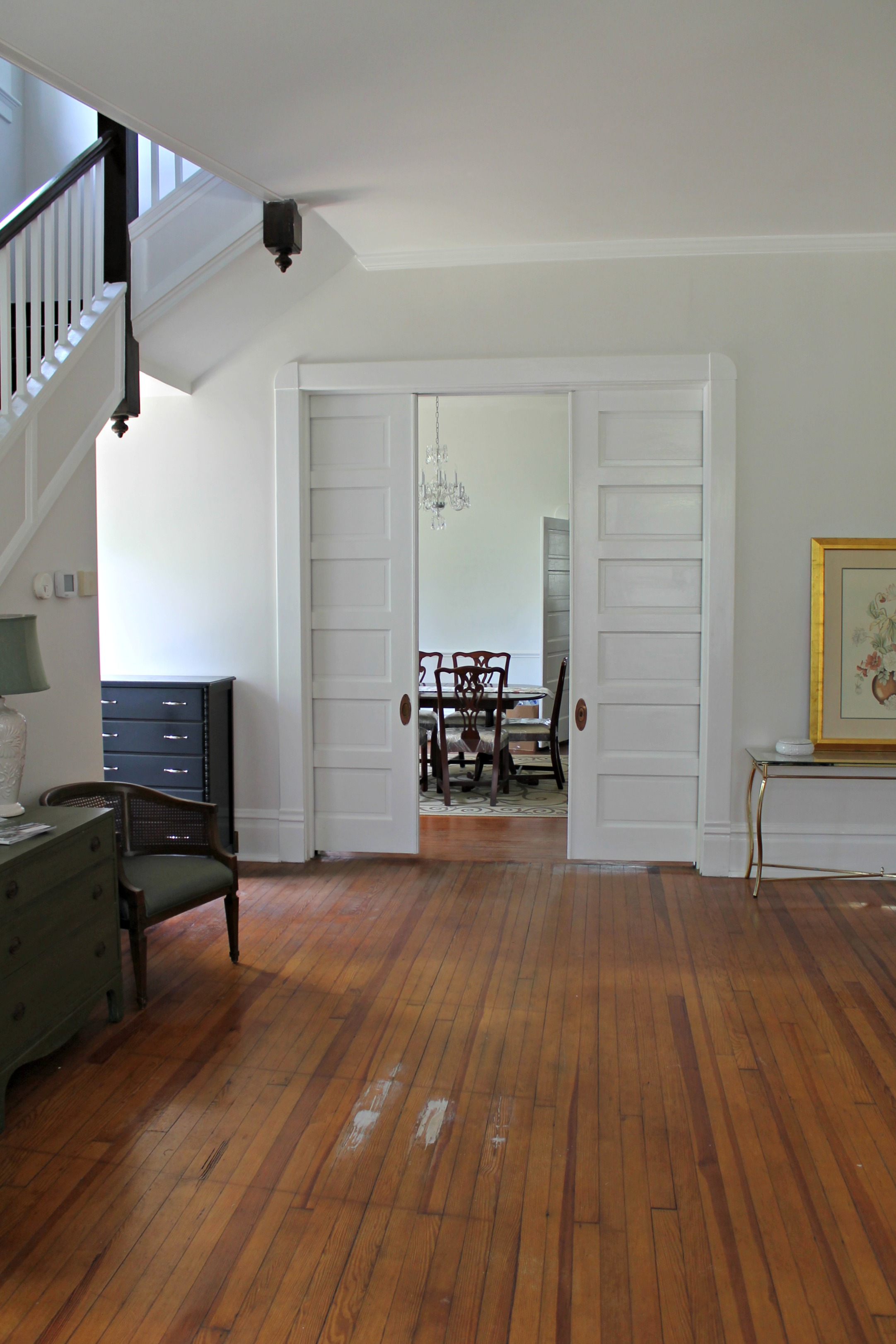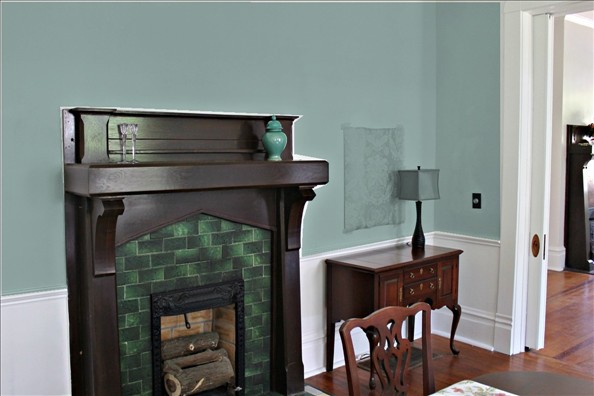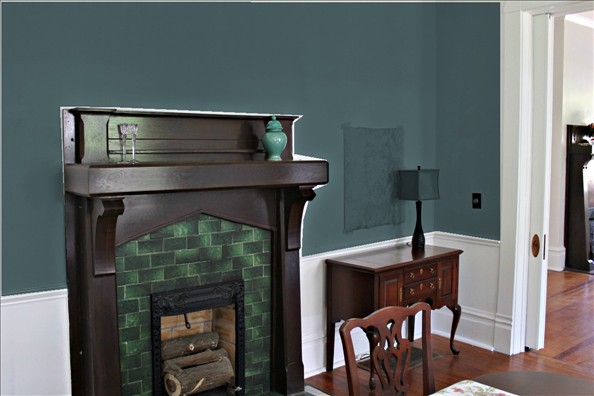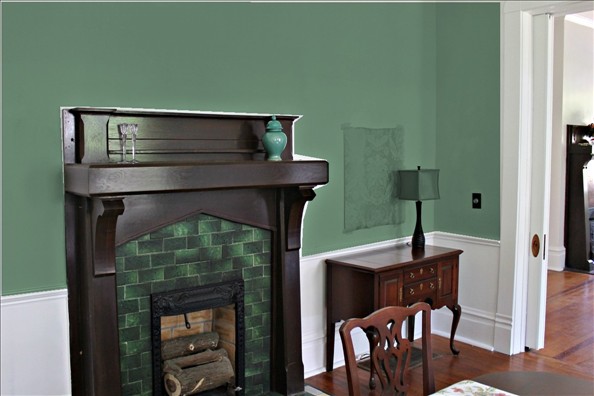
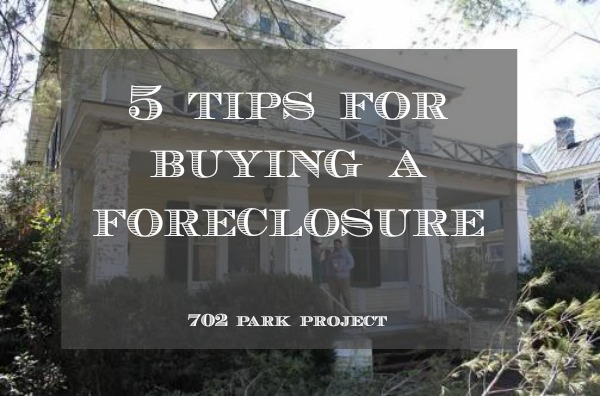
Foreclosures can be messy and difficult, and they are sure to test your patience. But the end result could be all worth it. For us, the house being in foreclosure was what made the deal. Simply put, we could never afford the house had it not gone into foreclosure.
Here’s our home-buying process in a nutshell: in November 2012 we looked at the house but weren’t sure if we were ready for that commitment, or if we would even live in that town (we lived 3 hours away at the time). In early December, someone else put in an offer and it was accepted, and we were surprisingly devastated. We knew we wanted the house. That offer fell through and we submitted our offer on a Monday in early February 2013. We low-balled at $35,000 below asking price, argued with the bank all week long, and finally settled right in the middle that Friday. We closed May 10, 2013 and work began May 20. So that’s our story.
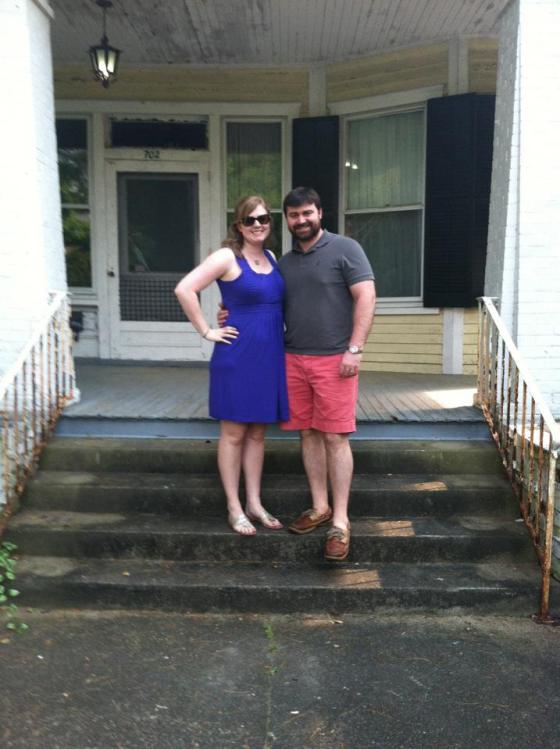

Every house and every purchase is different, but these are a few of the lessons we’ve learned. Some were easy lessons, and some we learned the hard way.
1. Be patient. This is without a doubt #1 on the list. To you, it’s the one home that you’re trying to buy. For the bank, it’s not personal at all. It’s one of many on their books, and it has to go through a certain process. And those guys are NOT in a hurry. Ever.
2. Find out how long the home has been vacant. The longer a house has been uninhabited, the greater the chance for major problems. Some of the biggest issues include plumbing issues, leaks, heating/air problems, and pests. When checking out the house, be sure to test the faucets and toilets, as these generally have trouble working after not being used for extended periods of time. These hidden costs can turn a bargain house into a money pit very quickly.
3. Get a full inspection. I don’t mean just the “walk around and look at stuff” kind. I mean the prodding and poking and crawling under the house kind. Many foreclosures will not include disclosures, meaning you have no way of knowing what may have gone wrong in the past. Hire a pest inspector, hire a heating and cooling inspector, hire an engineer. Whatever it takes. Trust me, an inspection is the best money you will spend on the front end. Keep in mind that not all foreclosures are good buys once you add up what will be needed to renovate.
4. Make sure the house is insurable. Because we could not live in the house as-is when we bought it, we had to take out a builder’s risk policy, which was way expensive. You need to take those expenses into account when figuring purchase price and what you plan to spend renovating.
5. Be flexible with your closing date, or be firm from the very start. Our closing was extended several times, but that was fine with us. We were still in a lease with our apartment, so pushing it back only helped us. But if you’re in a time crunch, it’s going to be very difficult to get the bank to stick to a set date unless you make that completely clear from the beginning.